
Custom Back Seal PouchesThat Align Branding with Your Packing Process
Front-Facing Graphics, Rear-Seam:Understanding the Back Seal Structure
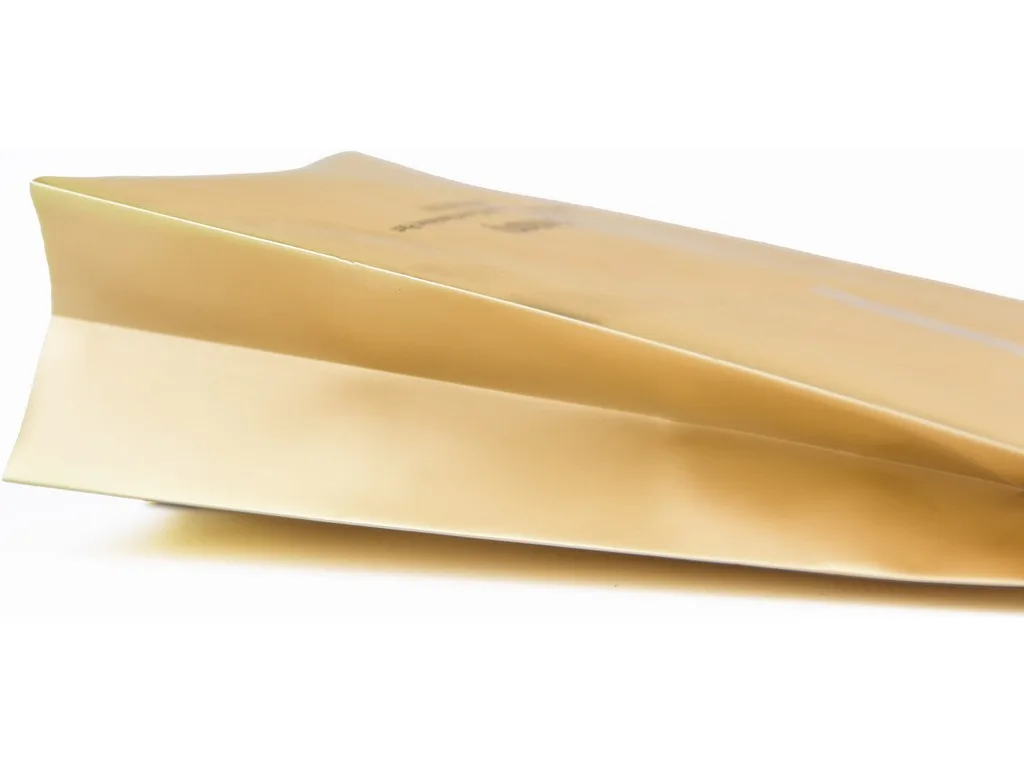

Rear Longitudinal Seam and End Seals
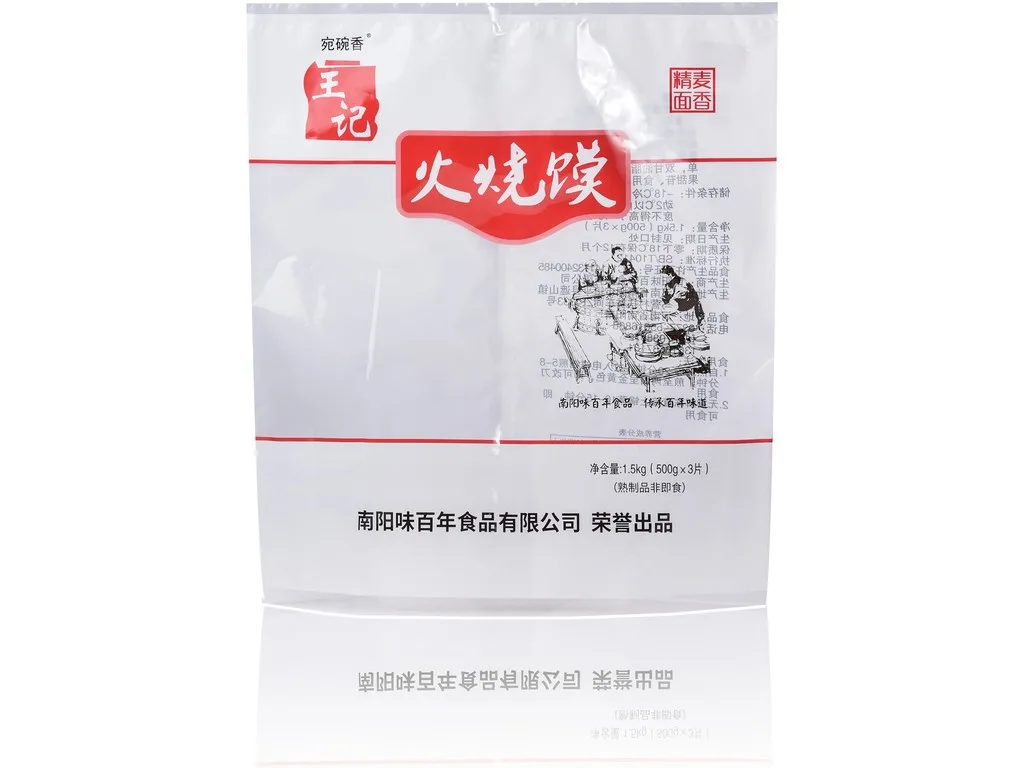

Front Graphics and Rear-Seam Clearance
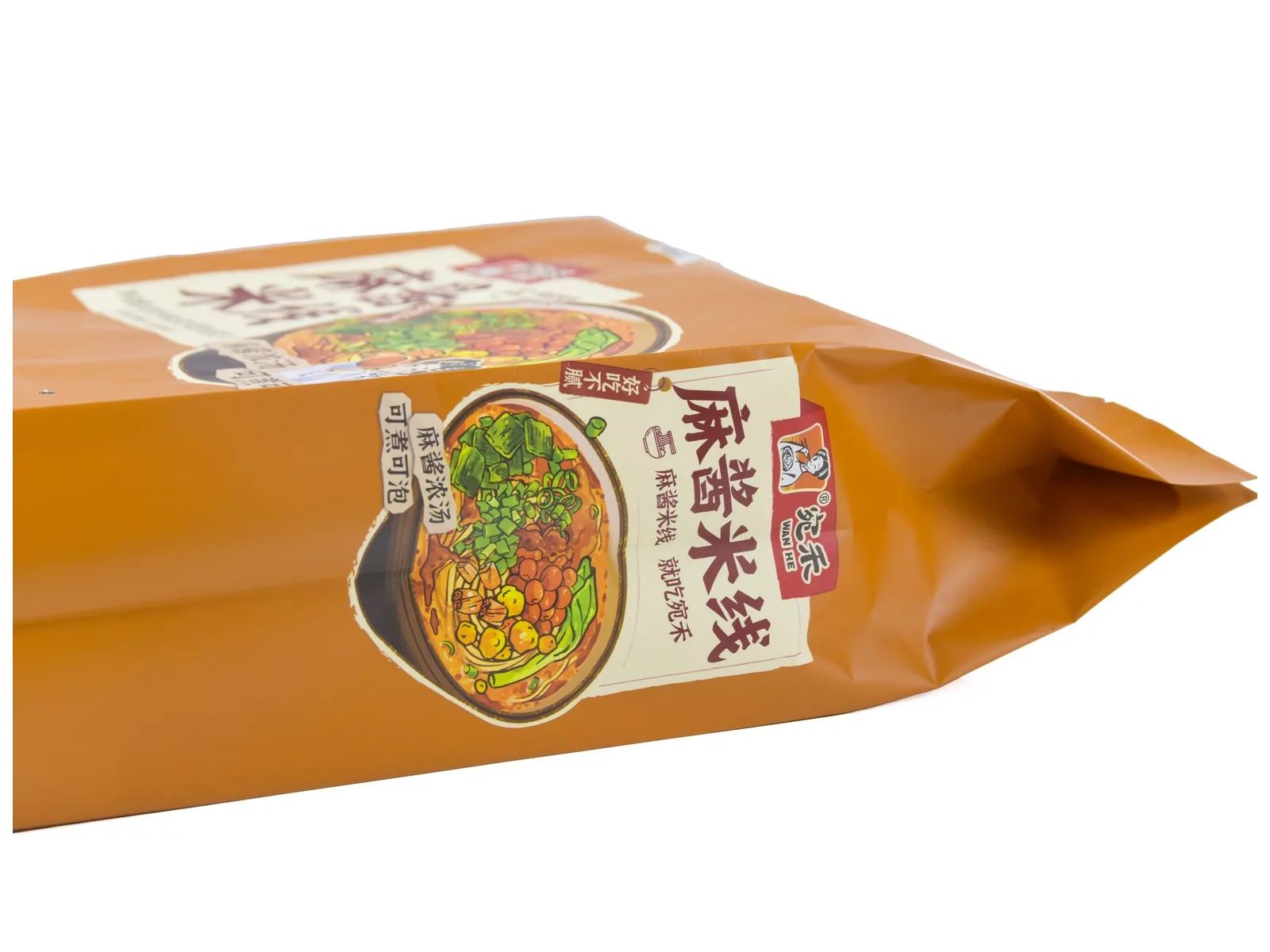

Material and Heat-Seal Selection
Rear Longitudinal Seam and End Seals
Front Graphics and Rear-Seam Clearance
Material and Heat-Seal Selection
Packaging for Products ofDifferent Shapes and Textures
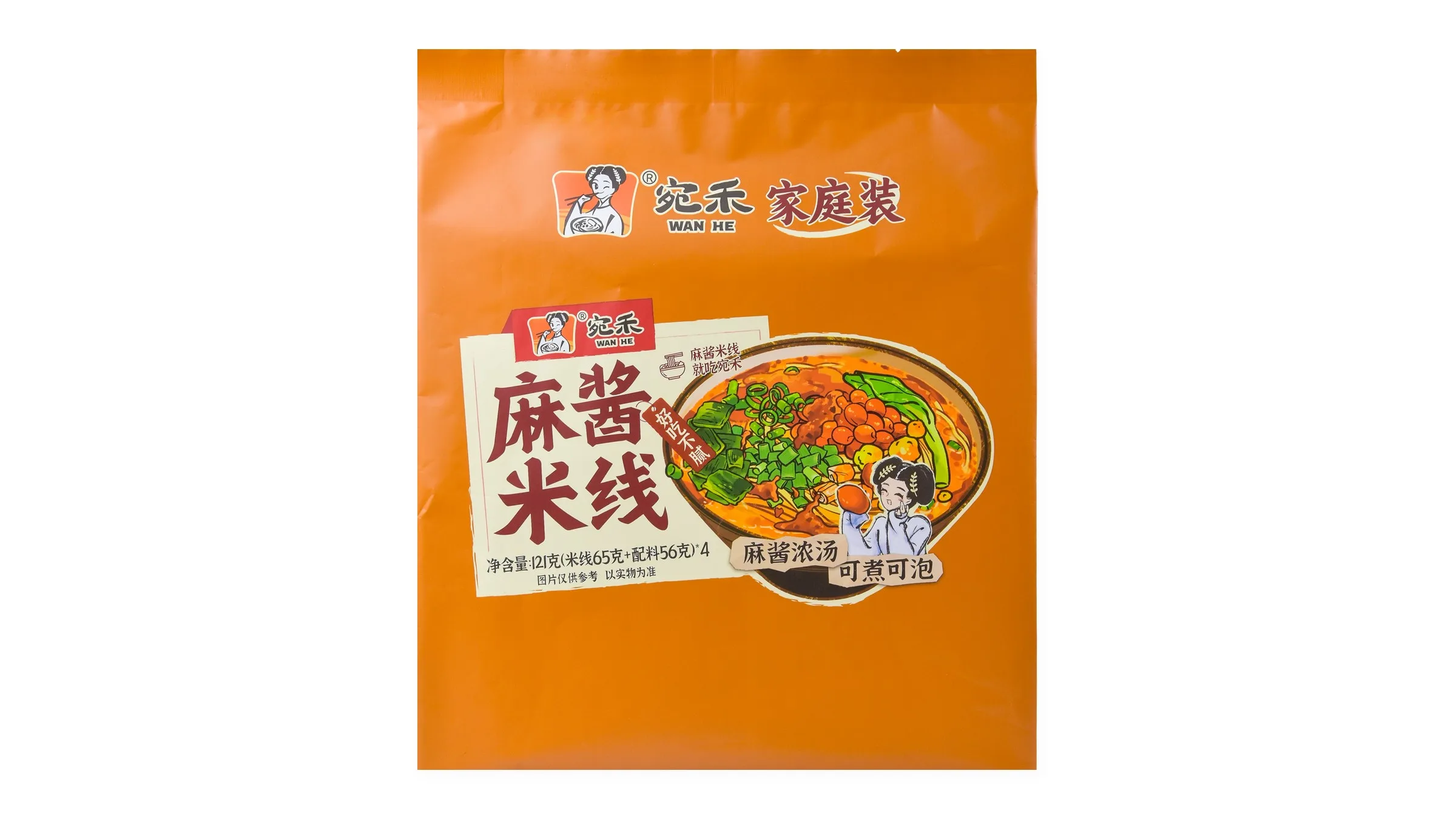
Rice Noodles and Instant Foods
Pouch materials and dimensions are selected for rice noodles and instant foods, considering product volume, sealing requirements and shelf presentation.
Supports:
- Product protection
- Pack size customization
- Seal compatibility
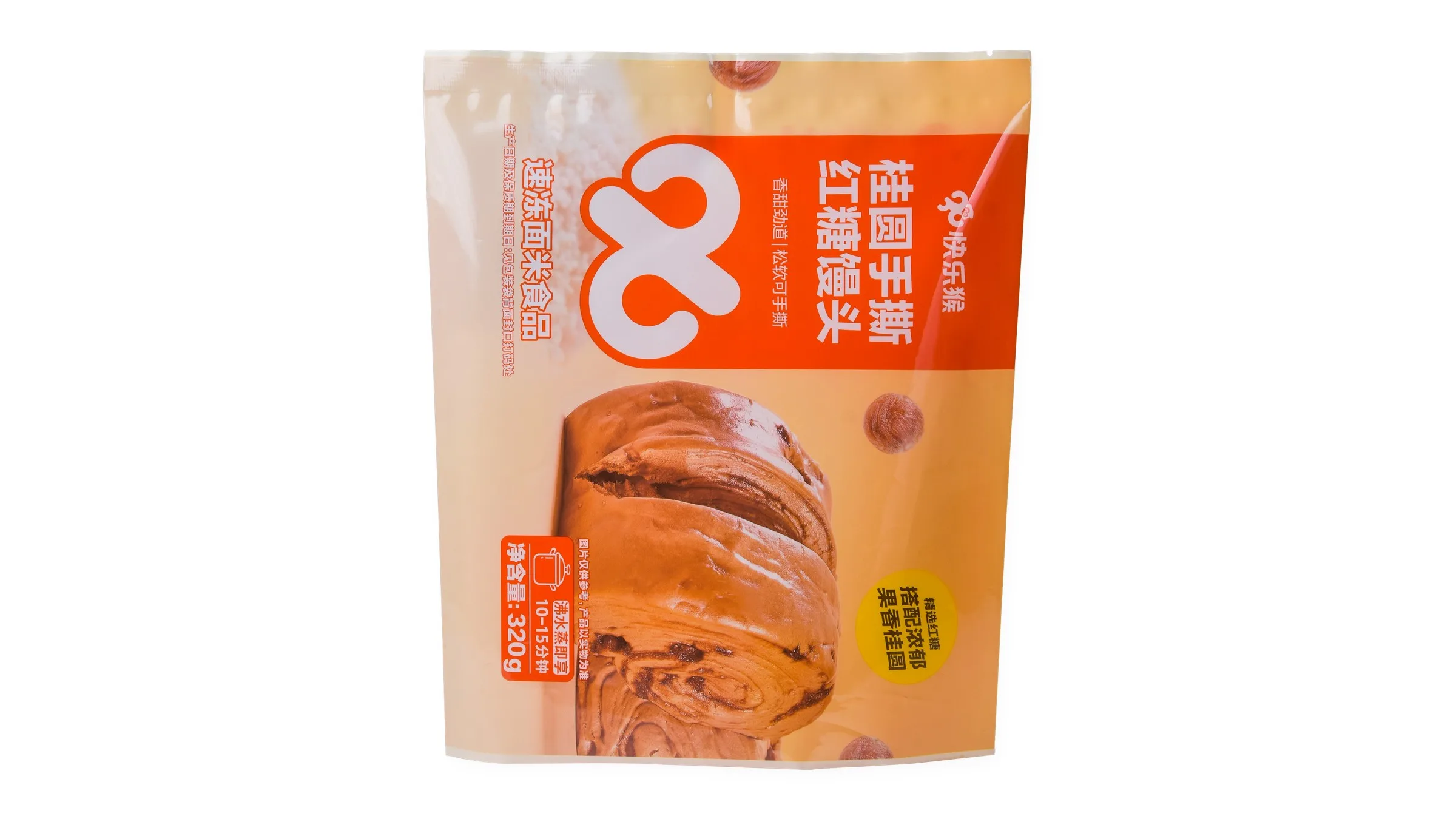
Biscuits and Baked Goods
The pouch body is sized around product shape and fill volume while maintaining space for front graphics and end seals.
Supports:
- Shape compatibility
- Brand printing
- Seal clearance

Salt and Seasoning Packaging
Pouch materials and sealing structures are selected for salt, seasoning powders and similar products, with attention to moisture protection, filling volume and seal performance.
Supports:
- Moisture protection
- Filling compatibility
- Seal integrity
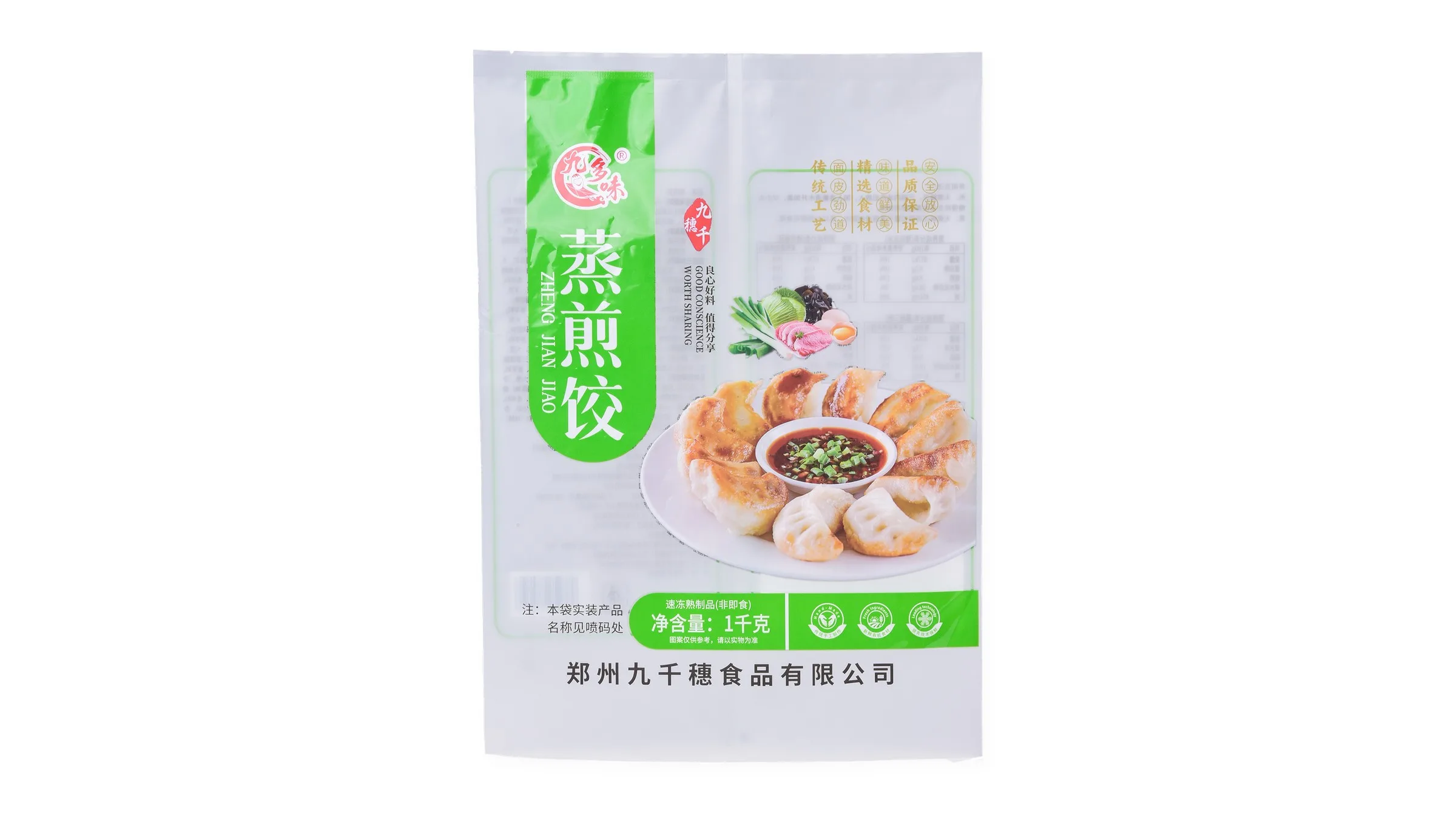
Frozen Food Applications
Materials, pouch construction and sealing requirements are evaluated according to the product and low-temperature storage conditions.
Supports:
- Low-temperature conditions
- Material evaluation
- Seal confirmation
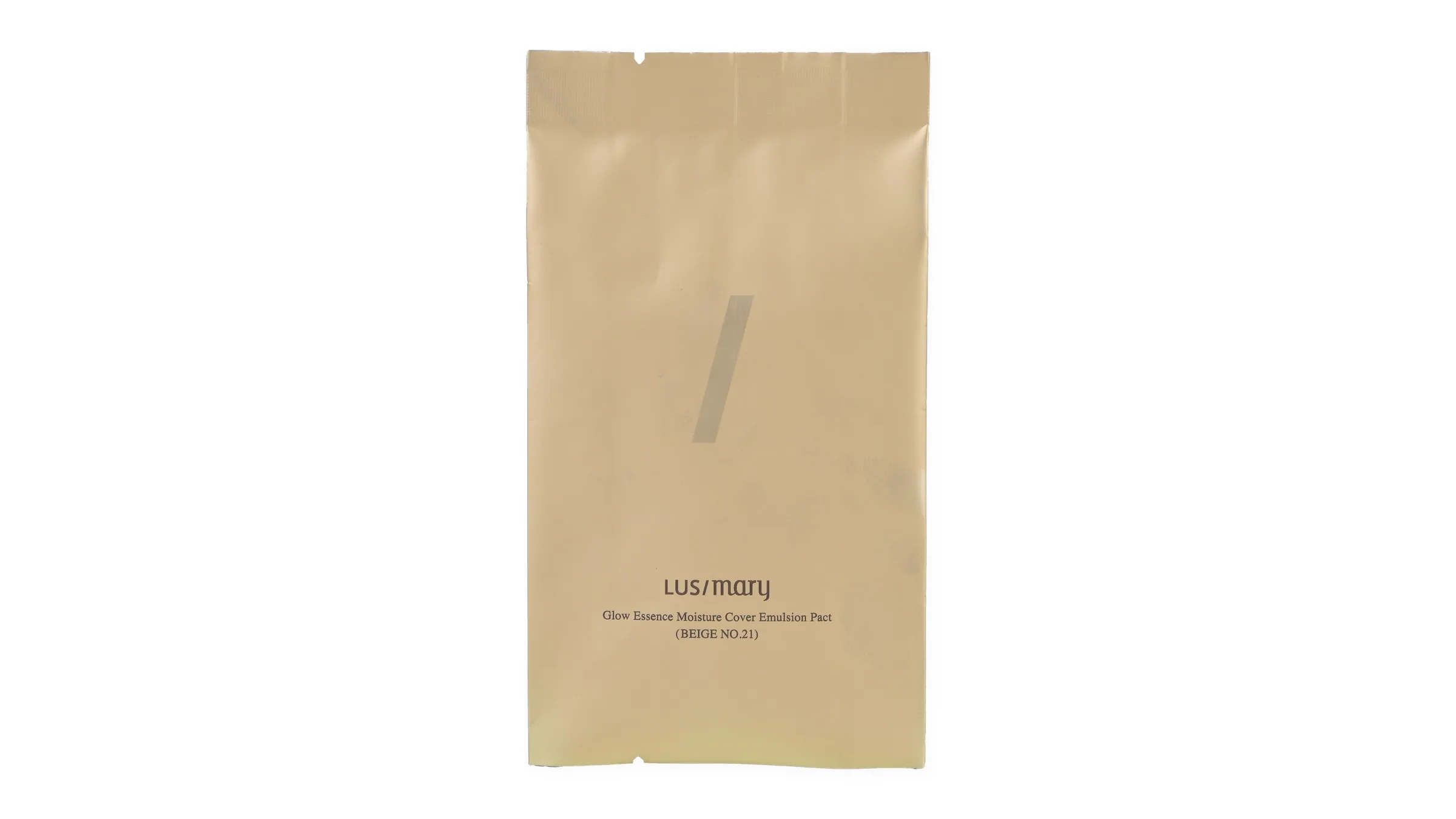
Household-Care Powders
Filling space and seal areas are coordinated around powder flow and material-contact requirements.
Supports:
- Contact compatibility
- Filling requirements
- Clean seal areas
From Artwork to Sealing,Every Detail Fits the Application
A Clear Front Panel for Brand Communication
Dimensions Based on Fill Volume
The Supply Route Is Confirmed First
Samples Provide a Basis for Production
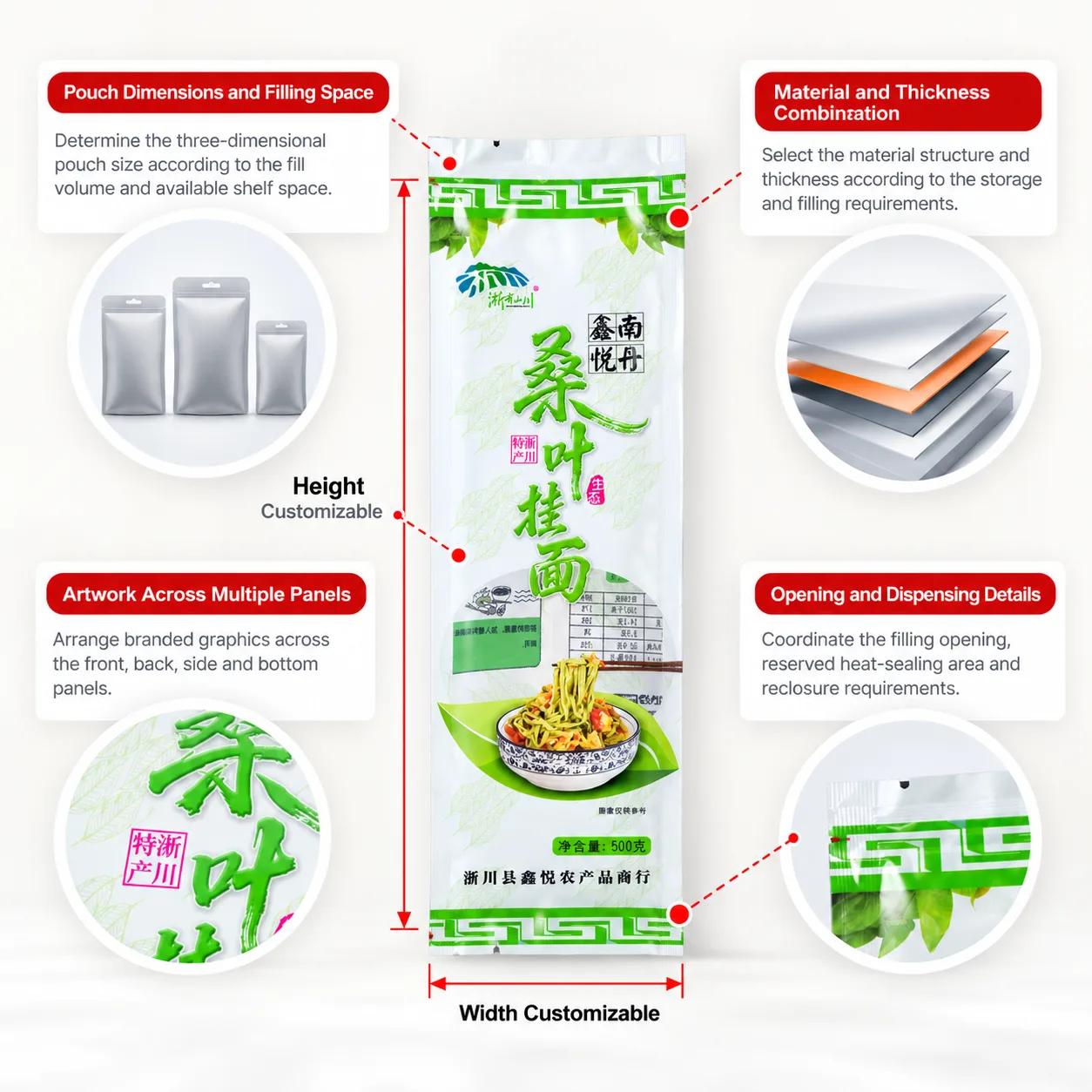
Turn Filling and Sealing Requirementsinto Clear Specifications
Pouch Dimensions and Filling Space
Rear Seam and End-Seal Clearance
Material and Thickness Combinations
Printing and Opening Details
Choose Both the Pouch Structureand the Right Packing Route
Back Seal PackagingFAQs
“Back seal” describes the position of the longitudinal seam, while “pillow” describes the shape of the filled package. In a fin seal pouch, the inner sealant layers are joined face to face, and a lap seal instead joins overlapping surfaces.
Terms such as pillow pouch bag and center seal pouch are often used for related packaging formats, but they should not be treated as universally interchangeable. Please provide a pouch sample or seam cross-section so the exact structure can be confirmed.
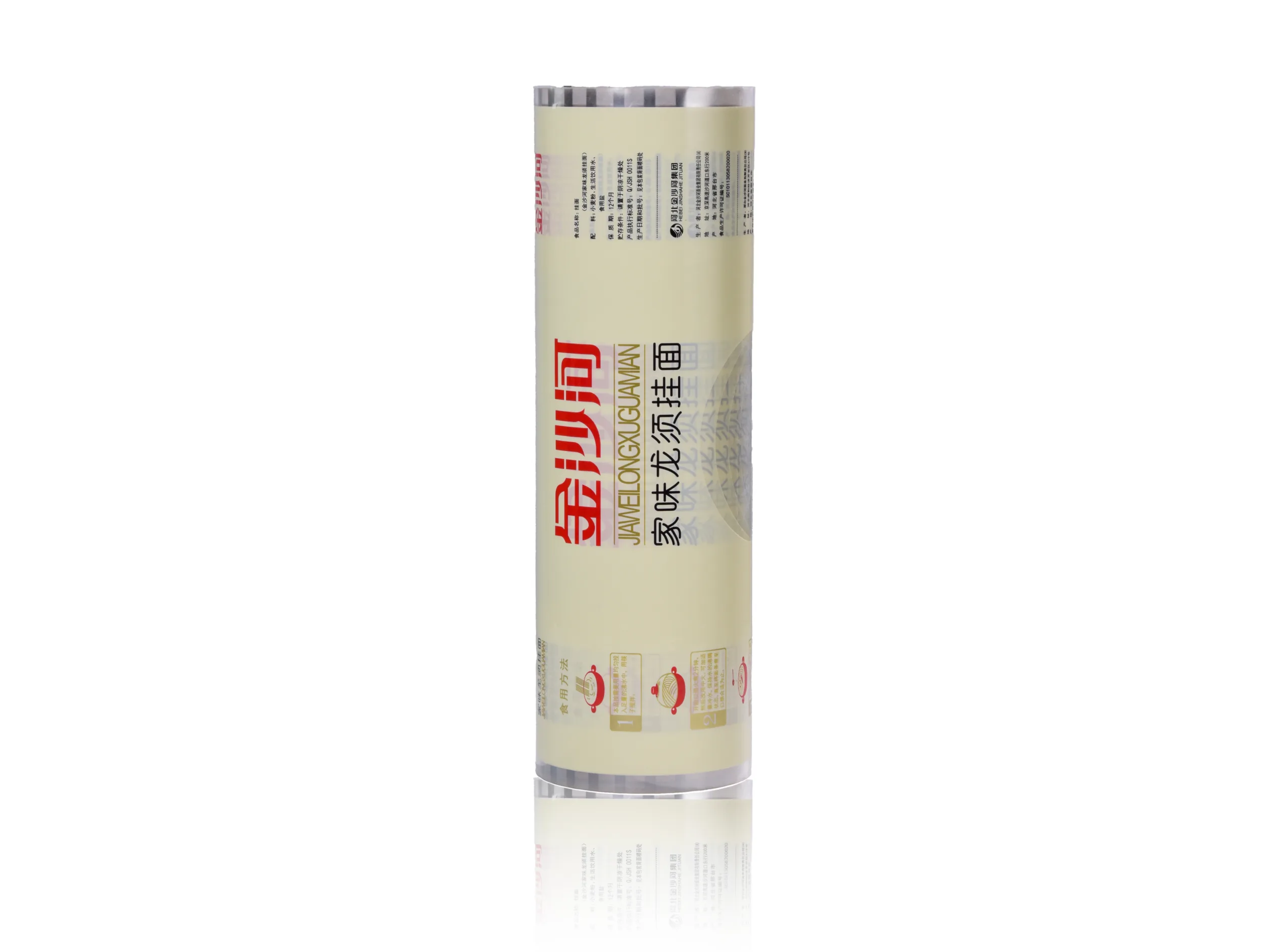
If you already operate form-fill-seal equipment, rollstock should normally be evaluated first. If your process fills premade pouches, the pouch dimensions, filling opening and final sealing method must be confirmed.
Please provide your equipment details and packing process so we can determine the appropriate supply format and sample-validation requirements.
A back seal pouch has its main longitudinal joint on the rear panel, together with seals at both ends. A three-side seal pouch is a flat pouch sealed along its edges.
Their artwork layouts, filling openings and equipment requirements are different. The appropriate structure should be selected according to the product, filling process and sealing conditions.
These applications must be evaluated individually. The pouch format alone does not guarantee compatibility with gas flushing or low-temperature storage.
Please provide the storage temperature, gas-packaging requirements and equipment conditions so the material and seal-testing requirements can be confirmed. Nitrogen or gas flushing is normally performed by the customer's packing equipment.
The approved design should clearly identify the longitudinal seam, end seals and sealing areas. Important text and barcodes should not cross seams or folds.
For automatic forming from rollstock, the print repeat length, unwind direction and registration requirements must also be confirmed. Artwork should be finalized after sample review or a machine trial.
The first step is to confirm whether the project requires premade pouches or rollstock. MOQ and lead time are then determined according to the material, dimensions, number of designs and validation requirements. Sampling and shipping schedules should be listed separately.
For food applications, please provide the target market and intended use conditions. Relevant food-contact and testing documents will be discussed according to the actual material structure supplied.